Pedal covers enhance a manual car’s aesthetics and grip, offering improved control during driving. They cater to enthusiasts seeking a personalized and performance-focused experience.
What are Pedal Covers?
Pedal covers, also known as pedal pads, are cosmetic accessories designed to enhance the appearance and feel of a vehicle’s pedals – specifically the brake, gas, and clutch in manual transmission cars. They typically slip over or attach to the existing rubber pedal surfaces. Constructed from materials like aluminum, stainless steel, rubber, or carbon fiber, they offer a more aggressive look and improved grip.
These covers aren’t structural components; they don’t replace the pedals themselves, but rather augment them for aesthetic and functional benefits, contributing to a sportier driving experience.
Why Upgrade Pedal Covers on a Manual Car?
Upgrading pedal covers on a manual car offers several advantages beyond aesthetics. Enhanced grip, particularly with perforated designs, improves pedal feel and control, crucial for techniques like heel-toe downshifting. Aluminum or stainless steel covers provide a sportier, more refined look to the interior.
They can also restore worn or damaged pedal surfaces, improving safety and comfort. For driving enthusiasts, they represent a simple, cost-effective way to personalize their vehicle and enhance the driving experience.
Types of Manual Transmission Pedal Covers
Various materials define pedal cover types: aluminum, stainless steel, rubber, and carbon fiber, each offering unique aesthetics, grip, and durability characteristics for manual cars.
Aluminum Pedal Covers
Aluminum pedal covers are a popular choice, celebrated for their lightweight nature and sleek, sporty appearance. Dinan offers premium aluminum sets specifically designed for BMW manual transmissions, like the D700-0000 kit. These covers often feature a brushed finish or anodized coloring, enhancing the interior’s visual appeal.
Beyond aesthetics, aluminum provides a good balance of grip and durability. They resist corrosion effectively, ensuring longevity. Installation is generally straightforward, often involving adhesive backing or pre-drilled mounting points. They are a cost-effective upgrade, delivering a noticeable improvement in the driving experience.
Stainless Steel Pedal Covers
Stainless steel pedal covers represent a premium upgrade, prioritizing durability and a sophisticated aesthetic. Known for their resistance to corrosion and wear, these covers maintain a polished look even with extensive use. They often feature a brushed or polished finish, adding a touch of elegance to the vehicle’s interior.
While slightly heavier than aluminum, stainless steel provides excellent grip and a substantial feel. Installation typically involves adhesive pads or screws, ensuring a secure fit. These covers are a long-lasting investment, offering both style and functionality for manual transmission vehicles.
Rubber Pedal Covers
Rubber pedal covers are a cost-effective and practical solution for enhancing grip and comfort. Often designed as direct replacements for the original rubber pads, they provide improved foot traction, particularly during wet or demanding driving conditions. These covers are known for their non-slip surface, promoting safer and more controlled pedal operation.
Installation is generally straightforward, frequently involving simply fitting over the existing pedals. Rubber covers are durable and resistant to wear, offering a functional upgrade without significantly altering the vehicle’s aesthetic.
Carbon Fiber Pedal Covers
Carbon fiber pedal covers represent a premium upgrade, blending lightweight construction with a sporty aesthetic. These covers offer a high-performance look and feel, often featuring a textured surface for enhanced grip. The material’s inherent strength ensures durability, while its low weight contributes to a more responsive pedal feel.
Installation typically involves adhesive backing or mounting hardware. Carbon fiber covers are ideal for drivers seeking a visually striking and functionally superior pedal set, elevating the interior’s overall style.
Installation Guide: Manual Transmission Pedal Covers
Proper installation ensures secure fitment and optimal performance. This guide details the tools needed and step-by-step instructions for a successful upgrade.
Tools Required for Installation
Successfully installing manual transmission pedal covers requires minimal tools, making it a DIY-friendly project. A basic toolkit will suffice for most installations. Essential items include a screwdriver – both flathead and Phillips head – to remove existing clips or screws.
Often, a small wrench set is needed for certain bracket adjustments. Protective gloves are recommended to prevent hand injuries, and a clean cloth is useful for surface preparation. For stubborn original rubber covers, a plastic pry tool helps avoid damaging the underlying components. Finally, ensure you have appropriate adhesive or screws, depending on the cover type;
Removing Existing Pedal Covers (If Applicable)
Before installing new manual transmission pedal covers, removing existing ones is often necessary. Many vehicles feature rubber covers secured by clips or screws; carefully detach these using a screwdriver or appropriate wrench. Some installations allow covering the original rubber, eliminating removal.
If the original cover is firmly attached, a plastic pry tool can gently lift edges without causing damage. Thoroughly clean the pedal surface after removal to ensure optimal adhesion for the new covers. Inspect for any remaining adhesive residue and remove it completely.
Installing the Brake Pedal Cover
Brake pedal cover installation typically involves tearing off the original rubber cover, as indicated in many guides. Align the new cover precisely over the brake pedal, ensuring a snug and secure fit. Some covers utilize adhesive backing; peel off the protective layer and firmly press the cover onto the pedal.
Verify the cover doesn’t impede pedal travel or create slippage. Secure attachment is crucial for safety; double-check its stability before driving. Proper alignment enhances both aesthetics and functionality.
Installing the Gas Pedal Cover
Gas pedal cover installation often differs from the brake. Many designs don’t require removing the original rubber pedal; instead, they’re designed to directly cover it for a simpler fit. Carefully position the new cover over the existing pedal, ensuring it’s centered and aligned correctly.
Press firmly to secure it in place. Confirm the cover doesn’t restrict gas pedal movement or create any uncomfortable pressure points. A secure fit is vital for smooth acceleration and safe driving.
Installing the Clutch Pedal Cover
Clutch pedal cover installation typically involves a similar process to the brake pedal, often requiring the removal of the original rubber cover first. Carefully pry off the existing cover, taking care not to damage the underlying mechanism. Position the new clutch pedal cover, ensuring proper alignment and a secure fit.
Press firmly to attach it, verifying full range of motion and preventing any interference with smooth clutch engagement. A properly installed cover enhances grip and control.
Specific Models & Compatibility
Pedal cover sets are available for various models like BMW and VW Golf Mk3, alongside universal options ensuring a fit for most manual vehicles.
Pedal Cover Sets for BMW (Manual Transmission)
BMW manual transmission vehicles benefit greatly from upgraded pedal covers, enhancing both the aesthetic appeal and driving experience. Dinan offers aluminum pedal cover sets specifically designed for BMWs, providing a sporty and refined look. These sets typically include covers for the brake, gas, and clutch pedals, crafted from high-quality materials for durability and grip.
The D700-0000 kit is a popular choice, offering a sleek design and secure fitment. Proper installation ensures optimal pedal feel and control, contributing to a more engaging driving experience for BMW enthusiasts. Consider the material and style to complement your vehicle’s interior.
VW Golf Mk3/Jetta Mk3 OEM Pedal Sets
Original Equipment Manufacturer (OEM) pedal sets for the VW Golf Mk3 and Jetta Mk3 are highly sought after by enthusiasts aiming for a period-correct restoration or subtle upgrade. These sets, often found in left-hand drive (LHD) configurations, typically include aluminum pedal covers for the brake, gas, and clutch.
They offer a direct fit and retain the original pedal feel. Sourcing these OEM sets can elevate the interior’s aesthetic, providing a classic Volkswagen look. Availability may vary, often found through online retailers specializing in vintage VW parts.
Universal Fit Pedal Covers
Universal fit pedal covers offer a convenient solution for a wide range of manual transmission vehicles, bypassing specific model compatibility concerns. These sets generally include adjustable mounting brackets and rubber sleeves to accommodate various pedal shapes and sizes.
Typically constructed from aluminum, stainless steel, or rubber, they prioritize ease of installation. While they may not offer the precise fit of OEM sets, universal covers provide an affordable way to enhance pedal grip and aesthetics across numerous car makes and models.

Safety Considerations & Warnings
Secure attachment is crucial; loose covers can interfere with pedal movement, creating a dangerous driving situation. Proper fitment prevents slipping.
Ensuring Secure Attachment
Proper installation is paramount for safety. Many pedal covers utilize rubber backing or screws for a firm grip. Verify the chosen method aligns with your vehicle’s pedal shape and material. Regularly inspect the covers for any loosening, especially after spirited driving.
A secure fit prevents slippage during critical maneuvers like heel-toe downshifting or emergency braking. If screws are used, avoid over-tightening, which could damage the pedals. Consider using thread-locking fluid to further enhance security and prevent vibrations from loosening the fasteners over time.
Avoiding Interference with Pedal Movement
Unobstructed pedal travel is crucial for safe operation. Ensure the chosen pedal covers don’t restrict the full range of motion for the brake, gas, or clutch. Any limitation could compromise responsiveness and increase stopping distances or hinder smooth gear changes.
Carefully assess the cover’s design and thickness before installation. Avoid designs that entirely encapsulate the pedal, potentially creating friction points. Test each pedal’s movement post-installation to confirm unrestricted operation. Prioritize safety by selecting covers designed for optimal clearance.
Proper Fitment to Prevent Slipping
Secure attachment is paramount; slipping pedal covers pose a significant safety risk. Choose covers specifically designed for your vehicle’s pedal shape and size, ensuring a snug and stable fit. Utilize the provided mounting hardware – screws, rubber grips, or adhesive – correctly, following the manufacturer’s instructions meticulously.
Regularly inspect the covers for looseness. A wobbly or shifting cover can impede precise foot placement, especially during critical maneuvers like heel-toe downshifting. Prioritize quality covers with robust attachment mechanisms for lasting security.
Common Mistakes During Installation
Installation errors include misidentifying pedals, loose fitting, and covering the entire surface, hindering proper pedal feel and potentially creating safety hazards.
Incorrect Pedal Identification
A frequent error during manual transmission pedal cover installation is misidentifying the brake, gas, and clutch pedals. This seemingly simple mistake can lead to improper fitment, compromising functionality and safety. Ensure you clearly understand which cover corresponds to each pedal before proceeding.
Referencing your vehicle’s manual or online resources can prevent this issue. Incorrect placement can obstruct movement or create an uncomfortable driving experience, negating the benefits of the upgrade. Double-check alignment before securing the covers permanently.
Loose Installation
A common pitfall when installing manual transmission pedal covers is a loose fit. Failing to securely attach the covers can create a hazardous situation, as they might shift during driving, interfering with proper pedal operation. Always verify that all mounting points are firmly engaged and tightened according to the manufacturer’s instructions.
Using the correct tools and applying appropriate torque are crucial. Regularly inspect the covers to ensure they remain secure, preventing potential slippage and maintaining driver control.
Covering the Entire Pedal Surface
A frequent error during pedal cover installation involves completely obscuring the original pedal; This practice is strongly discouraged, as it can hinder smooth and precise footwork, especially during techniques like heel-toe downshifting. Maintaining a portion of the original pedal exposed provides tactile feedback.
Ensure the cover complements, rather than replaces, the pedal’s feel. Proper fitment allows for optimal control and prevents accidental slippage, enhancing the driving experience and safety.
Driving Techniques with Upgraded Pedal Covers
Enhanced pedal feel from covers aids techniques like heel-toe downshifting, smooth clutch engagement, and precise brake/gas control for optimal performance.
Heel-Toe Downshifting
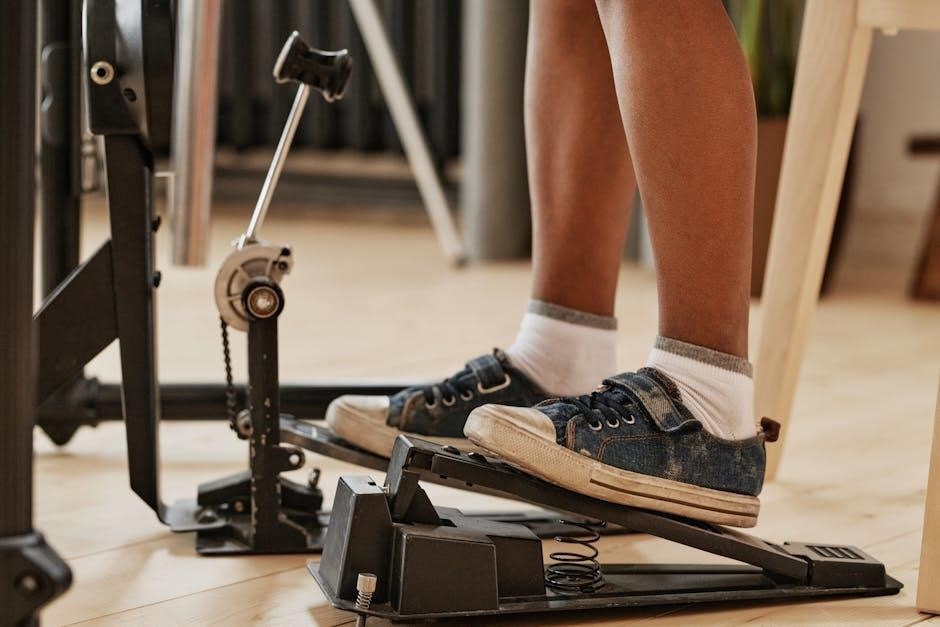
Heel-toe downshifting, a technique for smooth gear changes, benefits greatly from upgraded pedal covers. The improved pedal feel and positioning allow drivers to precisely blip the throttle while braking. This synchronization prevents unsettling weight transfers and maintains vehicle stability during cornering.
Specifically, covers with enhanced grip facilitate consistent foot placement, crucial for executing the heel-toe maneuver effectively. Aluminum or stainless steel options provide a firm surface, while perforated designs prevent slipping. Mastering this technique elevates driving skill and enhances the overall driving experience.
Smooth Clutch Engagement
Smooth clutch engagement is fundamental for a comfortable and efficient driving experience in a manual transmission vehicle. Upgraded pedal covers can significantly contribute to this, offering a more defined feel for the clutch’s biting point. This enhanced feedback allows for precise control during starts, stops, and gear changes.
Rubber or textured covers provide increased grip, minimizing slippage and promoting consistent pedal application. This is particularly helpful for drivers learning manual or those seeking refined control, resulting in smoother transitions and reduced wear on the clutch components.
Optimizing Brake and Gas Control
Optimizing brake and gas control is crucial for performance driving and everyday safety with a manual transmission. Pedal covers, particularly those crafted from aluminum or stainless steel, can enhance pedal feel and responsiveness. A more tactile surface improves grip, allowing for quicker and more precise adjustments.
This is especially beneficial during heel-toe downshifting or when modulating throttle control. Better pedal feel translates to improved confidence and consistency, ultimately leading to a more connected and engaging driving experience. Precision is key for optimal control.
Maintenance and Cleaning
Regular cleaning prevents corrosion and maintains grip on manual transmission pedal covers. Inspect frequently for wear, ensuring secure attachment and optimal performance consistently.
Regular Cleaning Procedures
Maintaining pedal covers is simple yet crucial for longevity and performance. Weekly, use a soft cloth dampened with mild soap and water to wipe away dirt and grime. For stubborn marks, a dedicated automotive interior cleaner can be applied cautiously.
Avoid abrasive cleaners, as they can damage the finish, especially on aluminum or carbon fiber covers. After cleaning, thoroughly dry the pedals to prevent corrosion. Rubber covers benefit from occasional deep cleaning with a rubber protectant to prevent cracking and maintain grip. Consistent cleaning ensures optimal pedal feel and safety.
Preventing Corrosion
Corrosion is a primary concern, particularly with stainless steel and aluminum pedal covers exposed to moisture and road salts. Regularly drying pedals after washing or wet conditions is vital. Applying a protective wax or sealant designed for metal surfaces creates a barrier against corrosion.
Inspect covers frequently for any signs of rust or pitting. Addressing minor corrosion immediately prevents it from spreading. For areas prone to corrosion, consider using a corrosion inhibitor spray. Proper care extends the lifespan and maintains the aesthetic appeal of your pedal covers.
Inspecting for Wear and Tear
Regular inspection is crucial for maintaining safety and performance. Check for loosening screws or bolts, especially after initial installation and during seasonal maintenance. Examine the rubber surfaces for cracks, tears, or signs of deterioration, which can reduce grip.
Assess the overall structural integrity of the covers, looking for bends or damage. Worn or damaged covers should be replaced promptly to prevent slipping and ensure optimal pedal feel. Consistent checks guarantee continued safe operation.
Advanced Pedal Cover Features
Innovative designs include adjustable, weighted, and perforated options, enhancing grip and control. Smart covers with feedback and integrated sensors are emerging technologies.
Adjustable Pedal Covers
Adjustable pedal covers represent a significant advancement in driver customization, allowing precise positioning for optimal comfort and control. These covers typically feature mechanisms—often screws or sliding mounts—that enable users to modify the pedal’s height, angle, and distance. This is particularly beneficial for drivers with varying foot sizes or those seeking a tailored experience for techniques like heel-toe downshifting.
The ability to fine-tune pedal placement can dramatically improve driving precision and reduce fatigue during extended periods behind the wheel, ultimately enhancing overall performance.
Weighted Pedal Covers
Weighted pedal covers add mass to the pedal surfaces, providing a more substantial and tactile feel during operation. This increased weight can enhance driver feedback, allowing for more precise modulation of the throttle, brake, and clutch; Many enthusiasts find that weighted pedals improve consistency and control, particularly during performance driving scenarios like track days or spirited road driving.
The added weight contributes to a more connected sensation, fostering greater confidence and responsiveness from the driver’s inputs.
Perforated Pedal Covers for Grip
Perforated pedal covers feature small holes or textured surfaces designed to maximize grip, even in wet or sweaty conditions; This is crucial for maintaining precise control, especially during aggressive driving maneuvers. The perforations allow for better friction between the driver’s shoe and the pedal surface, reducing the risk of slipping.
These covers are particularly beneficial for heel-toe downshifting, where secure pedal contact is paramount for smooth and efficient gear changes.
Where to Buy Pedal Covers
Pedal covers are readily available at online retailers, automotive parts stores, and specialty tuning shops, offering diverse options for manual transmission vehicles.
Online Retailers
Numerous online retailers specialize in automotive accessories, providing a vast selection of manual transmission pedal covers. Platforms like Amazon and eBay offer competitive pricing and diverse brands, ensuring options for every budget and style preference. Dedicated automotive websites often feature curated collections, simplifying the search process.
Before purchasing, carefully review product descriptions, compatibility charts, and customer reviews to guarantee a proper fit for your specific vehicle model. Consider shipping costs and return policies for a seamless shopping experience. Many retailers offer detailed images and specifications, aiding informed decision-making.
Automotive Parts Stores
Traditional automotive parts stores, such as AutoZone, Advance Auto Parts, and O’Reilly Auto Parts, frequently stock a selection of manual transmission pedal covers. These brick-and-mortar locations allow for in-person inspection and expert advice from knowledgeable staff. You can verify compatibility directly with an associate, ensuring a correct fit for your vehicle.
While the online selection might be broader, physical stores offer immediate availability and eliminate shipping wait times. They often carry popular brands and provide installation assistance or recommendations, making them a convenient option for many drivers.
Specialty Tuning Shops
Specialty tuning shops cater to automotive enthusiasts and often carry high-performance or unique manual transmission pedal covers not found in mainstream stores. These shops frequently specialize in specific vehicle makes, like BMW or VW, offering OEM or aftermarket options tailored for those models.
Beyond sales, they provide expert installation services and can advise on optimal pedal cover choices for performance driving techniques like heel-toe downshifting. Expect a higher price point, but also superior quality and personalized service.
Future Trends in Pedal Cover Technology
Innovations include smart pedal covers with feedback, integrated sensors for data analysis, and customizable designs offering personalized performance and driving experiences.
Smart Pedal Covers with Feedback
Emerging technology focuses on pedal covers integrating sensors and haptic feedback systems. These advanced covers can communicate data to the driver, potentially adjusting resistance based on driving mode or providing alerts for optimal performance. Imagine a clutch pedal subtly resisting further engagement to prevent stalling, or brake pedal feedback indicating impending lock-up.
Such systems could enhance heel-toe downshifting precision and smooth clutch engagement, ultimately improving driver skill and vehicle control. Data logging capabilities would also allow for performance analysis and personalized adjustments, creating a truly connected driving experience.
Integrated Pedal Cover Sensors
Future pedal covers will likely incorporate sensors measuring pedal travel, pressure, and speed. This data can be relayed to the vehicle’s ECU, enabling features like adaptive throttle control or automated rev-matching during downshifts. Imagine a system learning your driving style and optimizing performance accordingly.
These sensors could also enhance safety features, detecting sudden pedal movements indicative of panic braking or accidental acceleration. The collected data could even contribute to driver monitoring systems, assessing fatigue or distraction levels for a safer driving experience.
Customizable Pedal Cover Designs
The future of pedal covers leans heavily towards personalization. Expect options beyond materials and finishes, including fully customizable designs. Drivers could upload graphics, logos, or choose from extensive online libraries to create truly unique pedal sets.
Advanced manufacturing techniques, like 3D printing, will facilitate this trend, allowing for intricate shapes and personalized textures. Imagine matching pedal covers to your car’s interior, racing livery, or even reflecting your individual style – a truly bespoke driving experience.