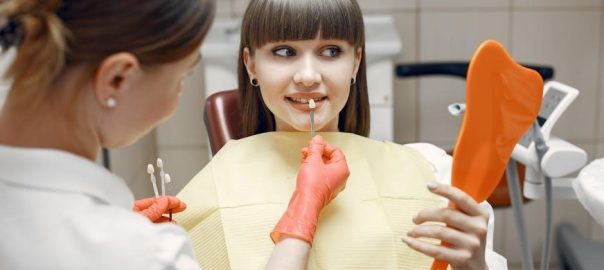
Zoom Whitening: Comprehensive Post-Procedure Instructions
Congratulations! This guide details essential post-treatment care, maximizing results from your Zoom whitening, ensuring a lasting, brilliant, and healthy smile.
Understanding the Zoom Whitening Process
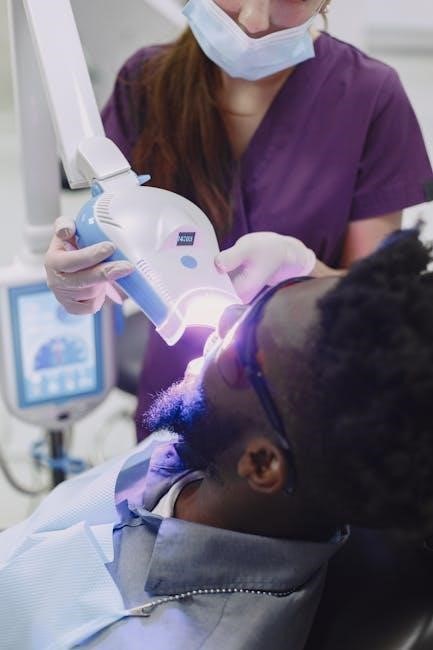
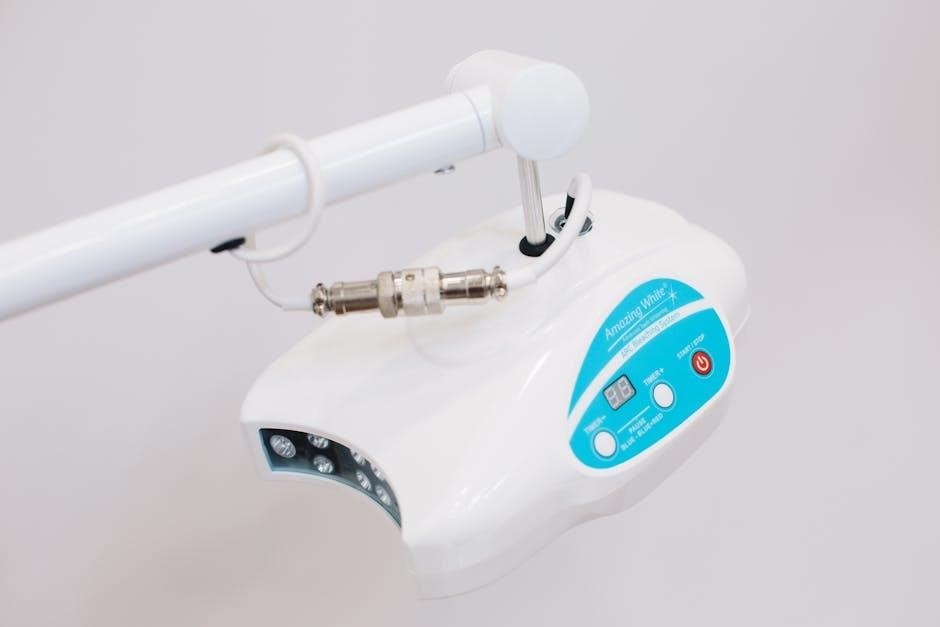
The Zoom Whitening process is a revolutionary dental treatment designed to dramatically brighten your teeth. It utilizes a specially formulated hydrogen peroxide gel, activated by a safe, patented Zoom light. This combination effectively breaks down stains and discoloration on the enamel, revealing a significantly whiter smile.
During the procedure, a protective gel is applied to your gums to minimize sensitivity. The whitening gel is then carefully applied to your teeth, and the Zoom light is used in multiple short intervals. This controlled application ensures optimal results while safeguarding your oral health.
Understanding that teeth are porous, the initial hours post-treatment are crucial. A protective layer, known as the acquired pellicle, reforms quickly. Following post-operative instructions diligently during this period maximizes stain prevention and prolongs the brightness achieved through Zoom Whitening.
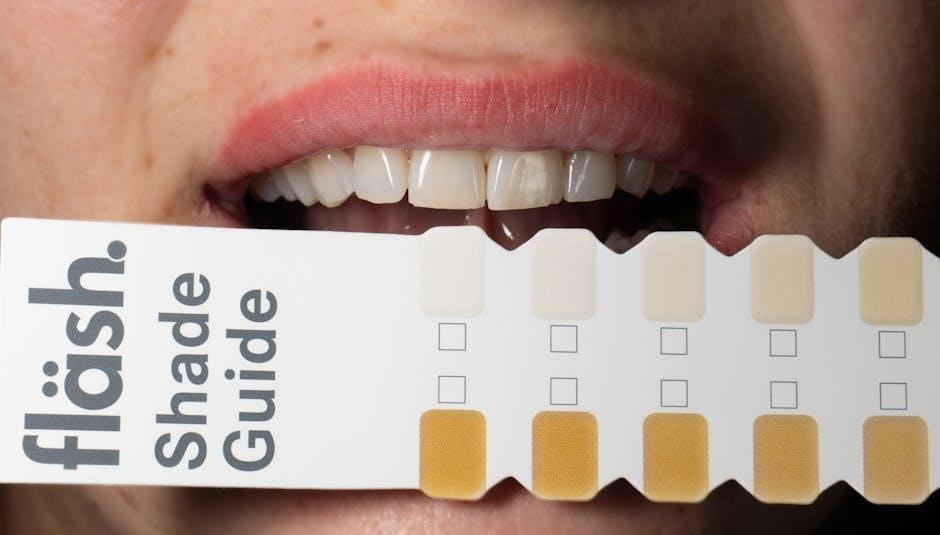
What is the Acquired Pellicle?
Everyone naturally possesses a protective layer on their teeth called the acquired pellicle. This is a protein-rich film that constantly forms on the enamel surface, acting as a barrier against acids and irritants. However, it’s also a surface where stains can readily re-adhere after whitening.
Immediately following Zoom Whitening, your teeth are particularly vulnerable to re-staining because the acquired pellicle is temporarily disrupted. As it reforms within the first few hours, it’s crucial to avoid substances that can easily bind to this new layer.
Think of it as a freshly cleaned surface – it will attract dirt more easily. Therefore, adhering strictly to the post-treatment dietary guidelines is paramount to preventing discoloration and maintaining the brilliant results achieved with the Zoom procedure.
Initial 2-Hour Post-Treatment Protocol
The initial two hours following your Zoom Whitening session are absolutely critical for maximizing and stabilizing your newly brightened smile. We highly recommend complete abstinence from all food and beverages, including water, during this period. This allows the whitening gel’s effects to fully settle and minimizes the chance of immediate re-staining.
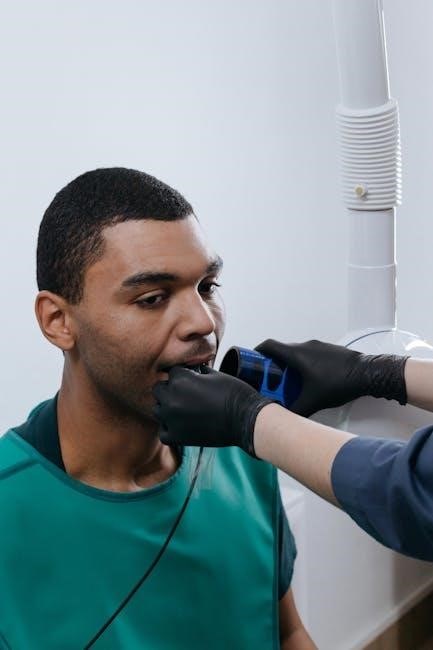
During these two hours, avoid any oral contact beyond keeping your lips gently closed. Resist the urge to rinse your mouth, as this can disrupt the process. This strict adherence is vital because your teeth are at their most permeable state immediately after treatment.
Consider this a “resting” period for your teeth, allowing the enamel to rehydrate and solidify the whitening results. Following this protocol diligently sets the foundation for a long-lasting, radiant smile.
The Critical 48-Hour Period
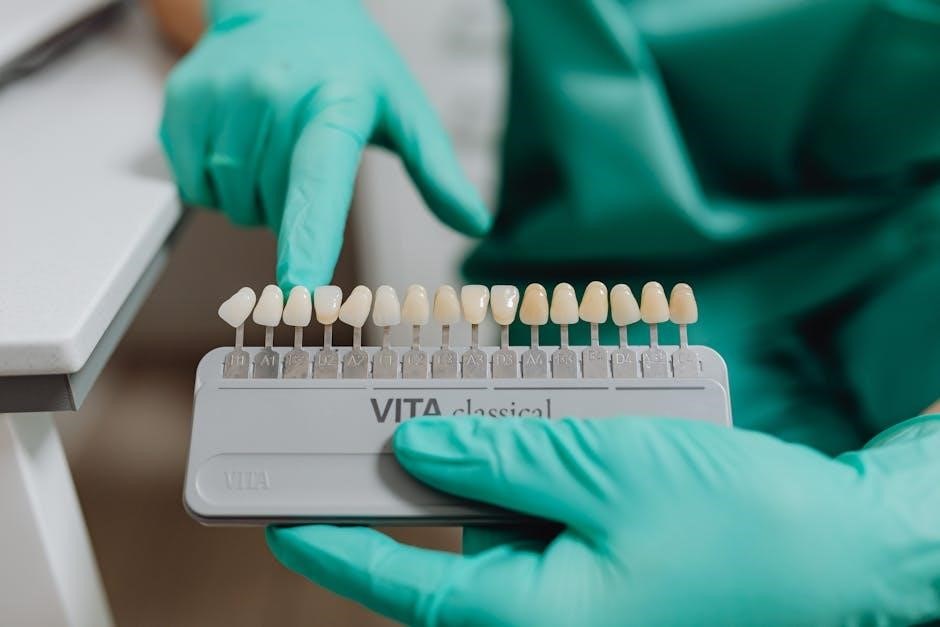
The 48 hours following your Zoom Whitening treatment represent a crucial window for solidifying your results and minimizing potential sensitivity. This period demands diligent adherence to specific guidelines to ensure a lasting, bright, and healthy smile. Remember, everyone possesses a protective layer called the acquired pellicle, and Zoom! effectively removes stains from this layer.
During these 48 hours, your teeth are particularly susceptible to re-absorbing staining agents. Therefore, careful attention to diet and oral hygiene is paramount. Avoid dark-colored foods and drinks, as these can quickly diminish the whitening effect.
This is the time to prioritize gentle care and follow all provided instructions meticulously. Consistent effort now will significantly contribute to the longevity of your beautiful new smile.
Dietary Restrictions: First 48 Hours
Following your Zoom Whitening procedure, strict adherence to dietary restrictions for the initial 48 hours is vital for maximizing and maintaining your newly brightened smile. Your teeth are exceptionally porous immediately after treatment, making them prone to re-staining. Avoiding certain foods and beverages during this period is non-negotiable for optimal results.
We highly recommend absolutely no food or drink – even water – for the first two hours post-treatment. After this initial period, proceed with caution, carefully selecting what you consume. Darkly pigmented substances should be completely avoided, as they can quickly counteract the whitening process.
Think of these 48 hours as an investment in your brighter future. Diligent dietary control will significantly enhance the longevity and vibrancy of your Zoom Whitening results.
Foods to Avoid
During the critical 48-hour period following your Zoom Whitening treatment, certain foods pose a significant risk of re-staining your newly brightened teeth. It’s essential to diligently avoid these to protect your investment in a whiter smile. Completely eliminate all darkly colored foods, including berries like blueberries and blackberries, as well as brightly colored sauces like soy sauce, tomato sauce, and curry.
Steer clear of strongly pigmented fruits and vegetables such as beets, spinach, and eggplant. Additionally, avoid foods with artificial coloring. Even seemingly innocuous items like chocolate and dark-colored cereals can contribute to discoloration. Prioritize light-colored, bland foods during this sensitive time.
Beverages to Avoid
Maintaining your Zoom Whitening results requires strict adherence to beverage restrictions for the initial 48 hours post-treatment. The most crucial avoidance is of all staining liquids. This includes coffee, tea (black, green, and herbal varieties), red wine, and dark-colored sodas like cola and grape soda. Even seemingly harmless fruit juices, such as cranberry or pomegranate juice, can contribute to discoloration.
Absolutely no consumption of colored sports drinks or energy drinks is permitted. Water is the only recommended beverage during this period. Avoid anything that could potentially introduce pigments to your teeth. Remember, your teeth are exceptionally porous immediately after whitening, making them highly susceptible to re-staining.
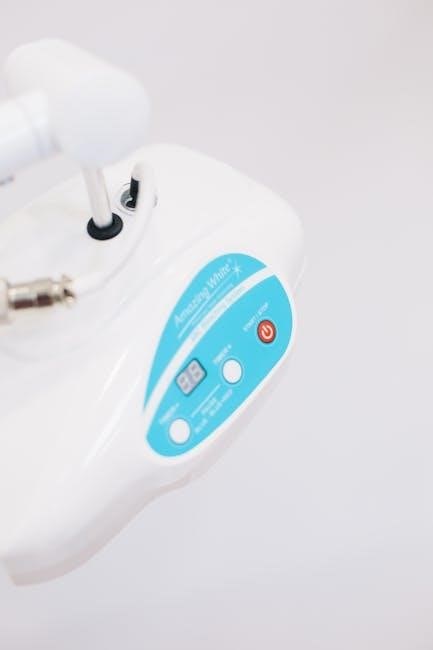
Maintaining Whitening Results: NiteWhite 22 & DayWhite 14
To sustain the brightness achieved with your Zoom Whitening treatment, consistent at-home maintenance is vital. Utilizing NiteWhite 22% or DayWhite 14% gel, alongside custom-fitted trays, will help prevent relapse and extend your dazzling smile. These maintenance trays should be initiated 24 hours following your in-office procedure.
Regular use, as directed by your dentist, reinforces the whitening effect and combats daily staining. The concentration chosen (NiteWhite or DayWhite) depends on your individual needs and sensitivity levels. Proper application and tray usage are key to optimal results. Consistent upkeep with these products ensures a long-lasting, confident, and brilliantly white smile.
Application Instructions ⎻ Step 1: Preparation
Before applying the NiteWhite 22% or DayWhite 14% whitening gel, thorough oral hygiene is paramount. Begin by meticulously flossing between all teeth to remove plaque and debris. This ensures the gel reaches all tooth surfaces effectively. Following flossing, brush your teeth comprehensively with a fluoride toothpaste, removing any remaining food particles and creating a clean canvas for the whitening agent.
Ensure your teeth are completely dry before proceeding. Excess moisture can dilute the gel, reducing its efficacy. Gently twist and pull off the clear plastic cap from the whitening syringe in a counter-clockwise motion, preparing it for gel dispensing. A clean and prepared mouth optimizes the whitening process and maximizes results.
Application Instructions ⎼ Step 2: Tray Usage
After preparing the syringe, apply a small bead of the whitening gel into the corresponding tooth pocket within the custom-fitted tray. Avoid overfilling, as excess gel can seep onto gums, potentially causing irritation. A thin, even layer is most effective. Once all tooth pockets are filled, carefully insert the tray into your mouth, ensuring it fits snugly and securely over your teeth.
Gently press the tray against your teeth to establish contact. Remove any excess gel that may have squeezed out around the tray edges. Depending on your dentist’s recommendation, wear the tray for the prescribed duration – typically a few hours during the day (DayWhite) or overnight (NiteWhite).
Managing Tooth Sensitivity
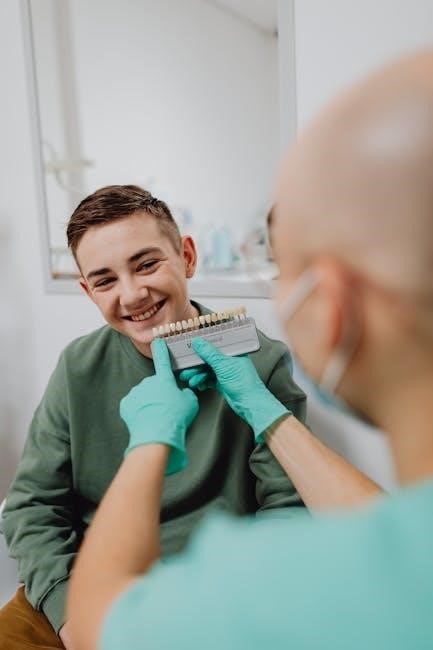
Some patients experience temporary tooth sensitivity following Zoom whitening, a common side effect as teeth rehydrate. This sensitivity usually subsides within a few days. Causes of Sensitivity include the opening of dentinal tubules during the whitening process. These tubules lead to the nerve of the tooth, making it more responsive to stimuli.
Remedies for Sensitivity include using desensitizing toothpaste containing potassium nitrate, applied regularly before and after whitening. Avoiding extremely hot or cold foods and beverages can also minimize discomfort. If sensitivity persists or becomes severe, contact your dentist. They may recommend a fluoride treatment to help remineralize and protect your teeth.
Causes of Sensitivity
Temporary tooth sensitivity after Zoom whitening is a frequent occurrence, stemming from the process itself. The primary cause of sensitivity lies in the opening of microscopic dentinal tubules. These tubules, normally sealed, become more permeable during whitening, exposing the tooth’s nerve to external stimuli like temperature changes and sweet substances.
The Zoom whitening gel temporarily dehydrates the teeth, further contributing to this effect. This dehydration increases the openness of the tubules. Individuals with pre-existing sensitivity, receding gums, or enamel erosion are generally more prone to experiencing discomfort. The intensity of sensitivity varies depending on the concentration of the whitening agent and the duration of exposure.
Remedies for Sensitivity
Fortunately, post-whitening tooth sensitivity is typically temporary and manageable; Using fluoride treatments, like fluoride toothpaste or professionally applied fluoride varnish, can help remineralize enamel and seal those open dentinal tubules, reducing sensitivity. NiteWhite 22 or DayWhite 14 trays, used as directed, can also help desensitize teeth over time.
Over-the-counter pain relievers, such as ibuprofen or acetaminophen, can provide temporary relief. Avoiding extremely hot, cold, or sweet foods and beverages is crucial during the sensitive period. Consider using a soft-bristled toothbrush and gentle brushing techniques. If sensitivity persists beyond a few days, or becomes severe, contact your dentist for further evaluation and personalized recommendations.
Oral Hygiene After Zoom Whitening
Maintaining excellent oral hygiene is paramount after Zoom whitening to prolong results and ensure tooth health. Brush your teeth thoroughly at least twice daily with a fluoride toothpaste, paying attention to all surfaces. A soft-bristled toothbrush is recommended to avoid irritation, especially during initial sensitivity.
Floss daily to remove plaque and debris from between teeth, where brushing can’t reach. Consider using a whitening toothpaste occasionally, but avoid abrasive formulas that could damage enamel. Regular dental check-ups and professional cleanings are essential for maintaining your brighter smile. Consistent, gentle care will help keep your teeth looking their best for years to come.
Brushing Techniques
Following Zoom whitening, employ gentle yet effective brushing techniques. Utilize a soft-bristled toothbrush and fluoride toothpaste. Position the brush at a 45-degree angle towards the gumline, using short, circular motions. Avoid aggressive scrubbing, which can irritate gums and potentially harm enamel, especially while teeth are more sensitive post-treatment.
Brush all tooth surfaces – front, back, and chewing surfaces – ensuring thorough cleaning. Spend at least two minutes brushing each time, dividing your mouth into quadrants. Remember to gently brush your tongue to remove bacteria and freshen breath. Consistent, careful brushing is key to maintaining your newly whitened smile and overall oral health.
Flossing Recommendations
Consistent flossing is crucial after Zoom whitening to remove plaque and food particles from areas your toothbrush can’t reach. Gently slide the floss between each tooth, curving it around the side of each tooth in a “C” shape. Avoid snapping the floss against your gums, as this can cause irritation, particularly during the initial sensitivity period post-treatment.
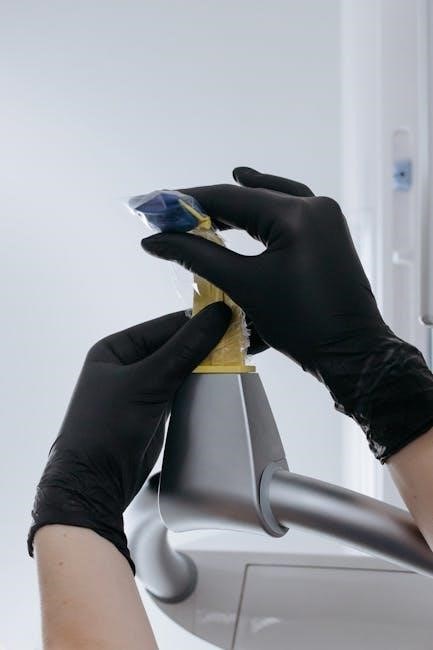
Floss at least once daily, preferably before bedtime, to disrupt plaque buildup overnight. Pay attention to the back teeth, where food often gets trapped. If you find traditional floss difficult to use, consider interdental brushes or a water flosser. Maintaining clean interdental spaces contributes significantly to gum health and preserves your brighter, whiter smile.
Long-Term Maintenance Strategies
To sustain your Zoom whitening results, incorporate touch-up treatments with NiteWhite 22 or DayWhite 14, as recommended by your dentist. These maintenance trays help counteract gradual staining from daily habits like coffee, tea, and red wine consumption. Consistent use, even for short periods, significantly extends the brightness of your smile.
Regular dental check-ups and professional cleanings are also vital. Your dentist can monitor your tooth shade and provide personalized advice. Minimize exposure to staining agents and practice excellent oral hygiene – brushing twice daily and flossing once daily – to prevent discoloration. Consider a whitening toothpaste for added maintenance, but use it judiciously to avoid sensitivity.
Potential Side Effects & When to Contact Your Dentist
Temporary tooth sensitivity is the most common side effect of Zoom whitening, typically subsiding within a few days. Gum irritation can also occur, but usually resolves quickly. These are generally mild and manageable with desensitizing toothpaste or fluoride treatments. However, persistent or severe sensitivity warrants a call to your dentist.
Contact your dentist immediately if you experience unusual pain, swelling, blistering in the mouth, or any other concerning symptoms. Should you notice white spots or uneven coloration that doesn’t diminish after a few days, seek professional evaluation. Prompt attention ensures any potential complications are addressed effectively, safeguarding your oral health and whitening results.
Zoom Whitening Preparation Instructions
Prior to your Zoom Whitening appointment, a professional dental cleaning is crucial to remove plaque and surface stains, optimizing the whitening process. It’s recommended to avoid using whitening toothpastes for at least one week beforehand, as they can sometimes increase sensitivity. Discuss any existing dental work, like fillings or crowns, with your dentist, as they won’t lighten with the treatment.
Inform your dentist about any medications you’re taking and any history of gum disease or tooth sensitivity. For maximum comfort, consider using a desensitizing toothpaste a few days before your appointment. Arrive prepared to relax for approximately two hours, and remember to follow all pre-treatment instructions provided by your dental team for the best possible outcome.
Understanding Zoom Whitening Instructions PDF Documents
PDF documents detailing Zoom Whitening post-operative care are readily available from dental practices and online resources. These guides comprehensively outline the crucial steps for maintaining and enhancing your newly whitened smile. They typically emphasize the initial 48-hour period as vital, focusing on dietary restrictions and hydration guidelines to prevent re-staining.
These PDFs often include detailed instructions for using NiteWhite 22 or DayWhite 14 maintenance trays, covering preparation, application, and wear times. They also address potential side effects like tooth sensitivity, offering remedies and guidance on when to contact your dentist. Downloading and reviewing these documents before your appointment ensures you’re fully prepared for optimal results and long-term whitening success.
Finding Reliable Zoom Whitening Post-Op Guides
Locating trustworthy post-operative instructions for Zoom Whitening is crucial for optimal results. Your dentist’s office should provide a detailed PDF document outlining specific care guidelines. Many dental practices also host these resources on their websites, easily accessible for download. Searching for “Zoom Whitening Post-Op Instructions PDF” will yield numerous results, but prioritize sources from established dental health organizations or clinics.
Be cautious of generic whitening guides, as Zoom Whitening has specific protocols. Look for documents mentioning the acquired pellicle and emphasizing the initial 48-hour dietary restrictions. Reliable guides will also detail NiteWhite/DayWhite tray usage and address potential sensitivity. Always cross-reference information and consult your dentist if you have any concerns regarding the instructions provided.
Importance of Following Instructions
Adhering to post-Zoom Whitening instructions, often found in a PDF guide from your dentist, is paramount to achieving and maintaining a brighter smile. The initial 48 hours are especially critical, as teeth are highly susceptible to re-staining during this period. Strict adherence to dietary restrictions – avoiding dark-colored foods and beverages – minimizes this risk.
Proper use of NiteWhite 22 or DayWhite 14 maintenance trays, as detailed in the provided PDF, extends and enhances your whitening results. Ignoring these guidelines can lead to diminished outcomes and increased tooth sensitivity. Consistent oral hygiene, including specific brushing and flossing techniques, further protects your investment. Ultimately, diligent follow-through ensures a lasting, healthy, and radiant smile.